Raw Deal: The Influencer Economy Figured Out That Selling Your 'Real Self' Is the Oldest Con in the Book
Raw Deal: The Influencer Economy Figured Out That Selling Your 'Real Self' Is the Most Profitable Lie Online
Remember when Instagram was just people posting blurry brunch photos? Those were simpler, worse times, but at least nobody was charging you $14.99 a month to see the "unfiltered" version.
We are now living in the full flowering of the Authenticity Economy — a sprawling, venture-funded industrial complex built on the premise that what consumers really crave, in this age of corporate fakery and polished brand speak, is realness. Genuine human connection. Unscripted moments. The creator who talks to the camera like they're talking to a friend.
It is, of course, completely manufactured. And it is making an extraordinary amount of money for platforms that don't create anything, corporations that sponsor the "real talk," and a handful of creators who got there first — while the millions who followed them into the gig feed an attention economy that gets richer every time someone posts something that feels honest.
The Algorithm Wants You Vulnerable
Let's start with TikTok, because TikTok is where the Authenticity Economy reached its most refined and disturbing form. The platform's recommendation algorithm — which the company has never fully disclosed but researchers have reverse-engineered obsessively — demonstrably favors content that triggers emotional responses. Crying in your car performs. Confessing your anxiety performs. Sharing a "day in my life" that includes a breakdown in the Trader Joe's parking lot really performs.
This is not a coincidence. Emotional content drives longer watch times, more shares, more saves, more comments. The algorithm doesn't care whether you're genuinely distressed or performing distress for the camera — it can't tell the difference, and frankly, neither can the audience after a while. What it knows is that raw emotional content keeps eyeballs on the app, and eyeballs on the app means advertising inventory.
So the platform has effectively built a machine that rewards creators for emotional exposure. The more you give, the more the algorithm amplifies you. The more it amplifies you, the more pressure you feel to give more. It's a vulnerability treadmill, and the only one getting a workout is TikTok's quarterly revenue.
Patreon's Brilliant Tier System for Selling Access to a Human Being
Over on the subscription side of the creator economy, Patreon and Substack have industrialized the parasocial relationship into a tiered payment structure so elegant it deserves a business school case study — taught in the ethics section, as a cautionary tale.
Here's the pitch: you love this creator. They feel like a friend. They're funny, honest, they share things they wouldn't share with just anyone. For $5 a month, you can support their work. For $15 a month, you get the exclusive Discord. For $50 a month, you get a monthly voice message. Personally recorded. Just for you. (And the other 340 people in that tier.)
Patreon takes up to 12% off the top. Substack takes 10%. Payment processors take another 3%. The creator gets the rest, along with the psychological burden of maintaining the illusion of genuine relationship with thousands of paying strangers simultaneously — which, it turns out, is its own kind of soul-destroying labor that the platforms don't mention in their pitch decks.
Meanwhile, what's being sold isn't really content. It's access to a person. Specifically, the feeling of access. The tiered model is brilliant because it gamifies intimacy — the more you pay, the "closer" you get, which means the relationship itself has been priced and packaged. Your connection to another human being has a SKU now.
Sponsored Vulnerability and the Influencer Disclosure Racket
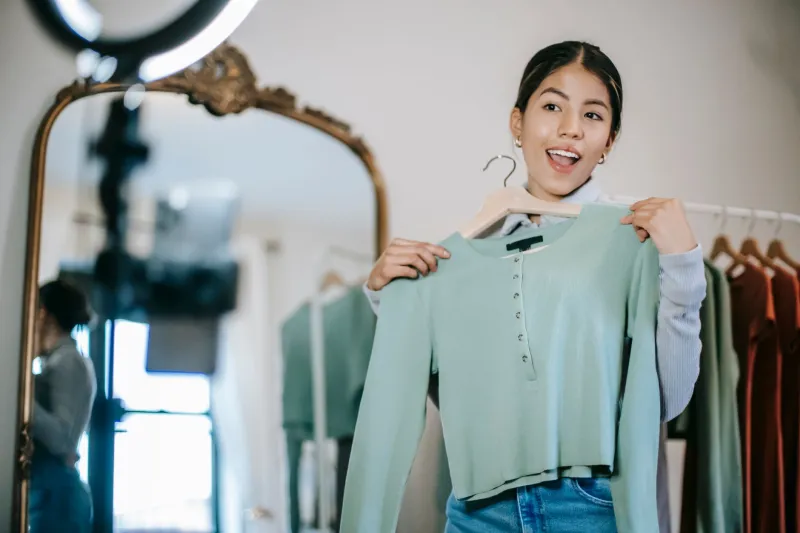
Nothing captures the grotesque beauty of the Authenticity Economy quite like the sponsored vulnerable moment. You've seen it. A creator sits down, clearly emotional, and opens up about a difficult period — depression, relationship struggles, burnout. It feels real. It might be real. And then, three minutes in, they mention that this video is brought to you by a mental health app or a vitamin subscription service.
The Federal Trade Commission technically requires disclosure of paid partnerships, and most creators comply — technically. A small #ad or #sponsored tag in a caption, a quickly spoken "this video is sponsored by" before diving into the emotional content. Research consistently shows that viewers process the disclosure and then emotionally engage with the content anyway, because that's how human psychology works. The disclosure doesn't neutralize the manipulation; it just provides legal cover for it.
The brands know this. They specifically seek out creators whose audiences trust them deeply, because that trust is the product they're buying. "Authentic" influencers command higher rates precisely because their authenticity is a delivery mechanism for advertising that doesn't feel like advertising.
The Substack Intellectual and the Premium Newsletter Industrial Complex
On the more cerebral end of the authenticity spectrum, Substack has convinced a generation of writers that the path to journalistic independence runs directly through a subscription paywall — and that the readers who pay are buying access to an uncompromised voice.
Some of this is genuinely true. Some writers have found real freedom in the model. But Substack also takes a flat percentage of every subscription, has no stake in editorial quality, and has faced significant criticism for platforming and even financially supporting writers whose "authenticity" included content that mainstream outlets rejected for good reasons.
The platform's pitch — write what you really think, build a direct relationship with readers, escape the corrupt media establishment — is itself a marketing strategy designed to attract writers and, more importantly, their audiences. Substack's revenue is your subscription fee, multiplied by every writer on the platform. Your desire for unfiltered truth is the acquisition funnel.
What's Left When Everything Is a Brand
The cruelest trick the Authenticity Economy plays is on the creators themselves. The pressure to be perpetually genuine, perpetually relatable, perpetually available is psychological quicksand. Creators who built audiences by sharing real moments find themselves trapped — unable to have a bad day off-camera, unable to evolve without risking their "brand," unable to draw a line between the person and the product because the platform made sure those lines dissolved years ago.
For the rest of us — the audience, the consumers, the people who genuinely wanted connection and got a subscription tier instead — the lesson is uncomfortable: in an economy that profits from authenticity, the authentic thing is the one thing they can't actually sell you.
Real connection doesn't have an affiliate link. Which is exactly why they're working so hard to build a version that does.